Sci-Fi Labs · Vision
Own the stack
A nearby future where the operating system, the private archive, and the public spatial web apps all belong to you. Not a lease from three companies. A computer you can unplug.
Most of the software on a desk is rented. The operating system phones home. Photos sit in someone else’s bucket. The music tool is a subscription with a sample library you do not own. The social layer is a feed you do not control. If any one of those companies pulls the plug, a piece of your life goes dark.
Sci-Fi Labs is the other stack. Three layers on one timeline. Open source. No cloud landlord. The public campaign leads with a globe. The private graph stays on a drive you can unplug.
01 · OS
Omarchy
A tiled Arch desktop you can see. Agents as a key, not a landlord. Only the processes you asked for.
02 · Private
Knowledge Graph
The file browser becomes a conversation. Sensitive files live on a drive you can unplug.
03 · Public
Spatial web apps
A globe, a cube, a network. Published as websites on your domain. Same URL on phone, desk, Vision Pro.
The stack, left to right
The operating system you can name
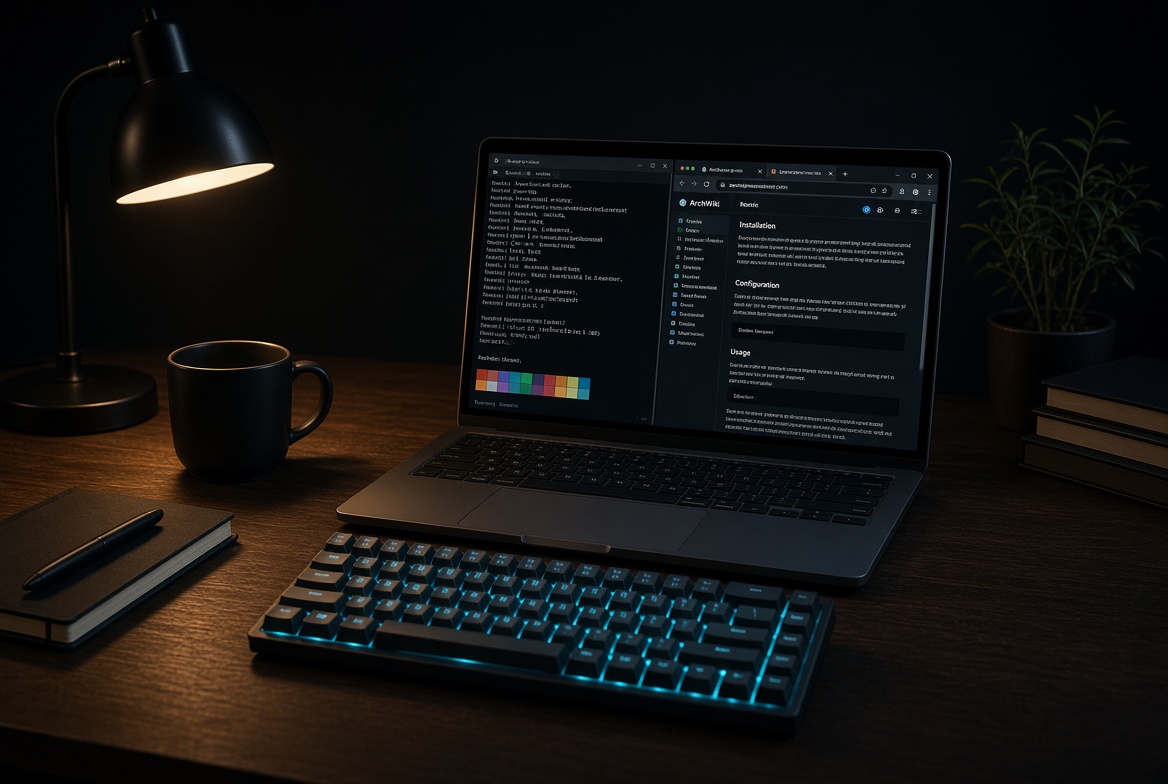
Omarchy is DHH’s omakase Linux cut — Arch, Hyprland, Quickshell. Quattro shipped August 14, 2026. The bar, launcher, lock screen, and menus live in one process. Super + K shows every binding. You install it, customize it, and the machine launches what you bound.
That is the desk the rest of the stack is meant to sit on. Not a Mac you cannot name the processes on. Not a Windows lease. A desktop you can read. Agents are a hotkey. Local models are files. If you dismiss the agent notice, there is no AI on the machine. Present. Optional. Not a mandatory cloud account.
Sci-Fi Labs takes that desk as the owned OS. Knowledge Graph becomes the native file layer on top of it. The public apps stay websites. Own the OS, the apps, and the data. That is the whole sentence.
The drive you can unplug
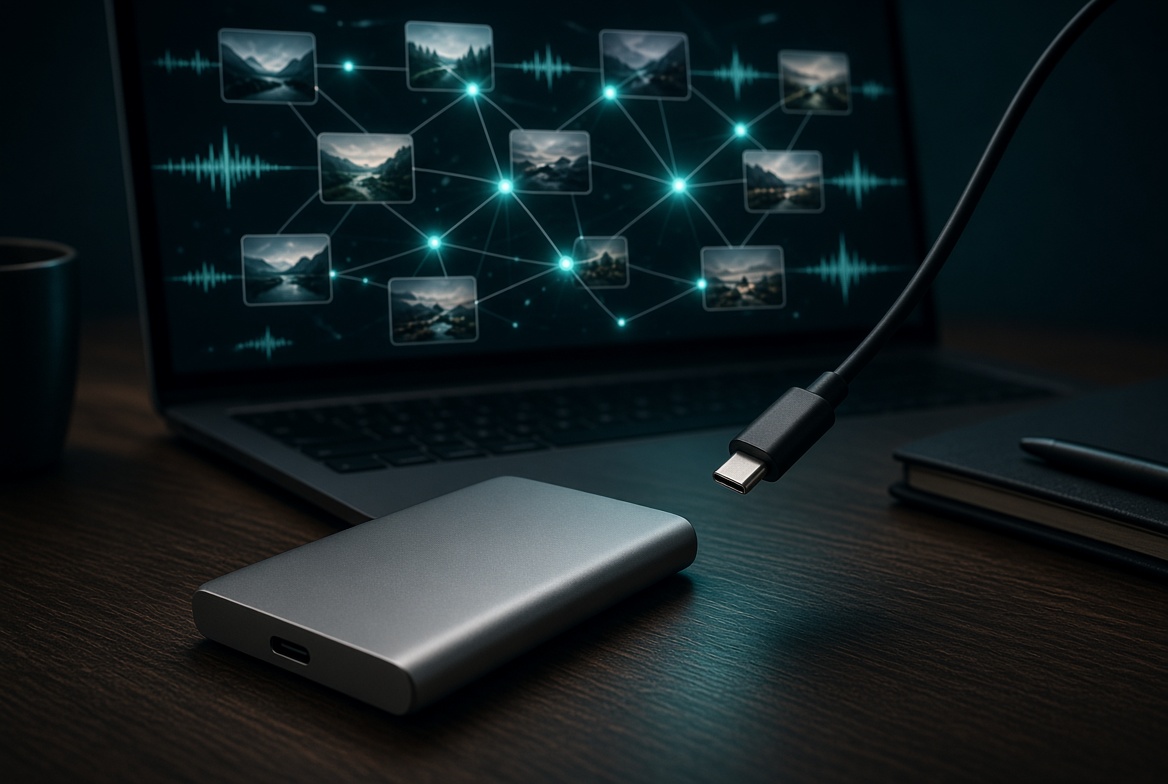
Knowledge Graph is the private layer. It is not the homepage hero. Conversations, photos, voice notes, financials, medical records — the files you would not hand to a cloud — live on an external drive. When the cable is in, a local model sees them as a graph you can walk. When the cable is out, there is nothing to see.
That is an air gap, not a privacy setting. A toggle in a settings panel can be walked back by an update. A cable on the desk cannot. The graph is the file browser: you speak instead of hunting folders. Photos sit next to the conversations that mention them. A receipt sits next to the trip it paid for. Time is an axis, not a folder name.
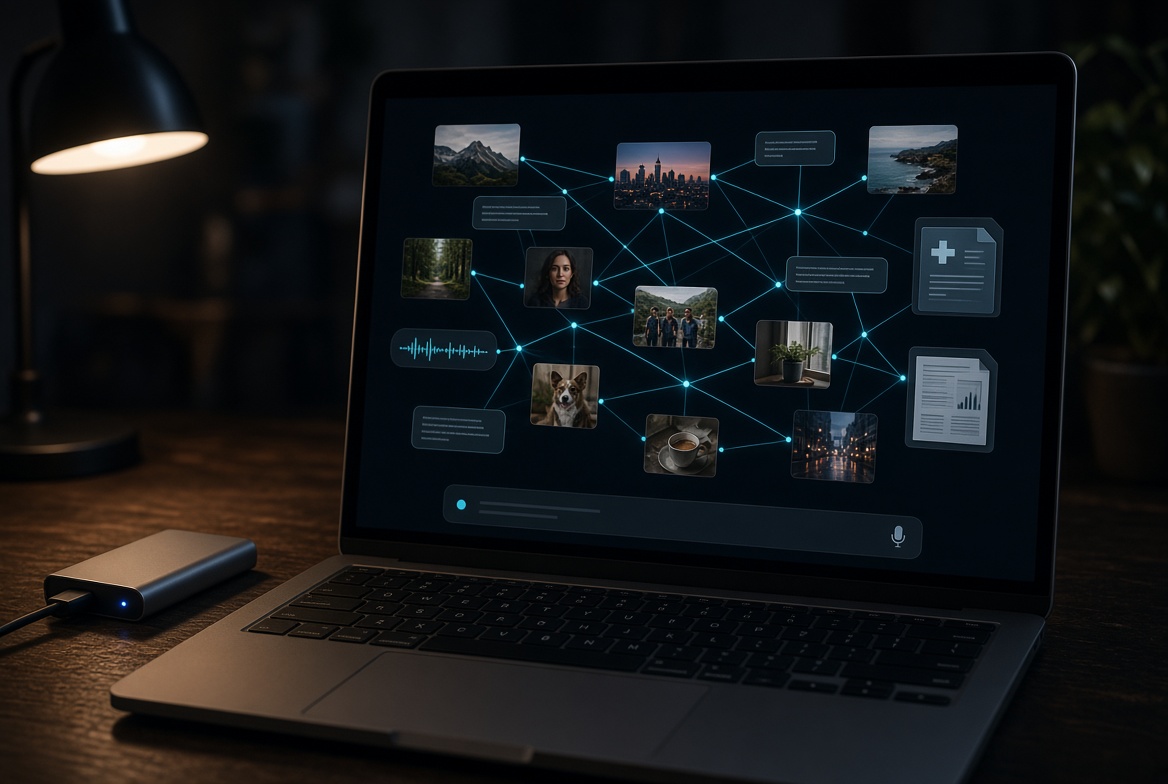
JARVIS was the first cut of that idea — git as memory, an agent that knew the month. Neuro Graph is the public face of a network. Knowledge Graph is the engine that stays on the machine. Bonsai runs on 16 GB. Whisper hears. Nothing leaves the desk unless you publish it on purpose.
The public apps
The public layer is ordinary websites. No store. No extra session. Same URL on a phone, a desk, and Safari on Vision Pro. Pinch to zoom. Look to look around.
Where is Paul? is the flagship — globe, field-log filters, comics from real photographs, a character bible. Fifty-three moments across twenty-seven countries. The color of a place is how long a stay lasted. Clone it and swap moments/moments.js. That is your own social media, on your domain.
The latest cut is cohesive. Search “Places, people, stories.” Open Filters and you get the tribe, the years, the tags. Tap a pin and a comic drawer slides in with a street map. Characters is a flipbook: photograph on one side, illustration on the other.
The portfolio site is the blog layer of the same life. Essays, field notes, the argument. Not a feed someone else ranks. A site you publish.
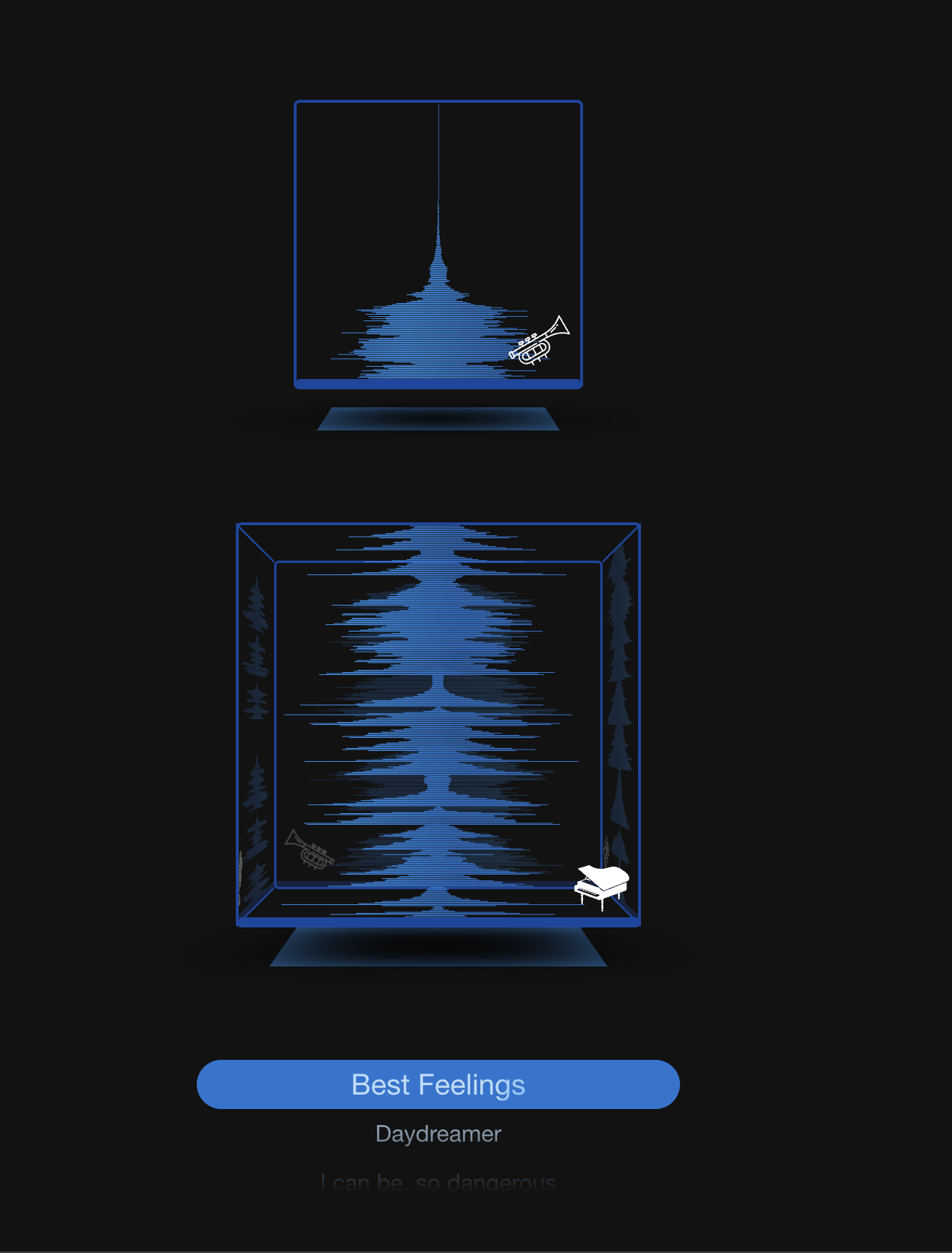
Musical Cubes is the music layer. Tracks as rotating cubes. Each face is a stem — vocal, guitar, drums, bass. You play a face, loop it, sync it to the others. You can publish one vocal or an entire arrangement. The original performer keeps the largest cut. A remix writes a royalty chain instead of erasing the first name.
That is a different primitive than a DAW timeline or a streaming catalog. The cube is the unit of ownership. A marketplace of faces, not a lease on a sample pack.
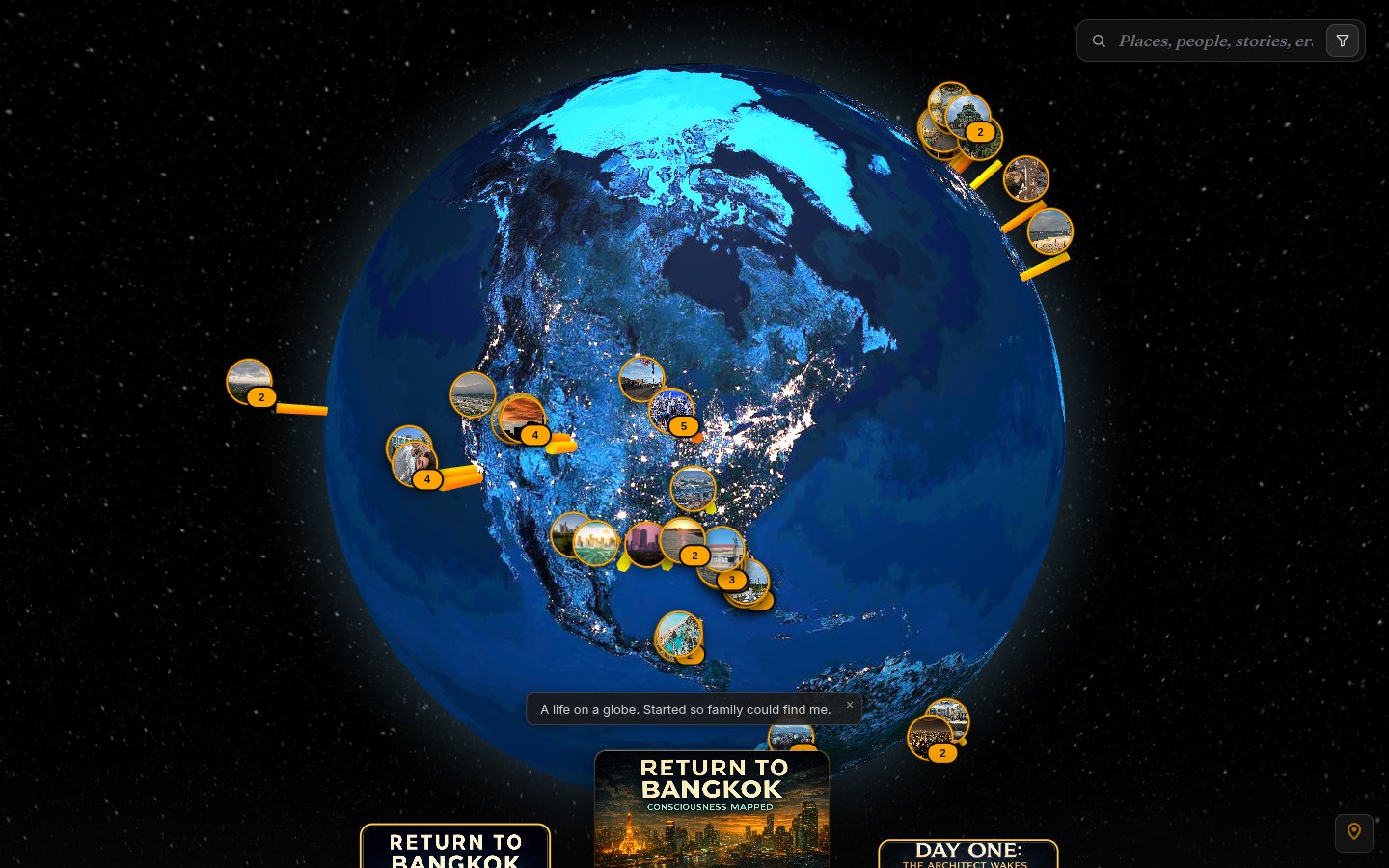
A cube made on the road can drop onto the globe at the place it was recorded. The public apps share a clock. A photo on the private drive, a pin on the globe, a face on a cube, a paragraph on the blog — same moment, four surfaces. You decide which surface is public.
Neuro Graph is the public network of that life. The Secret Family is another spatial web app: a hierarchy of claims you walk in the browser. Maps claims. Not an endorsement.
One timeline
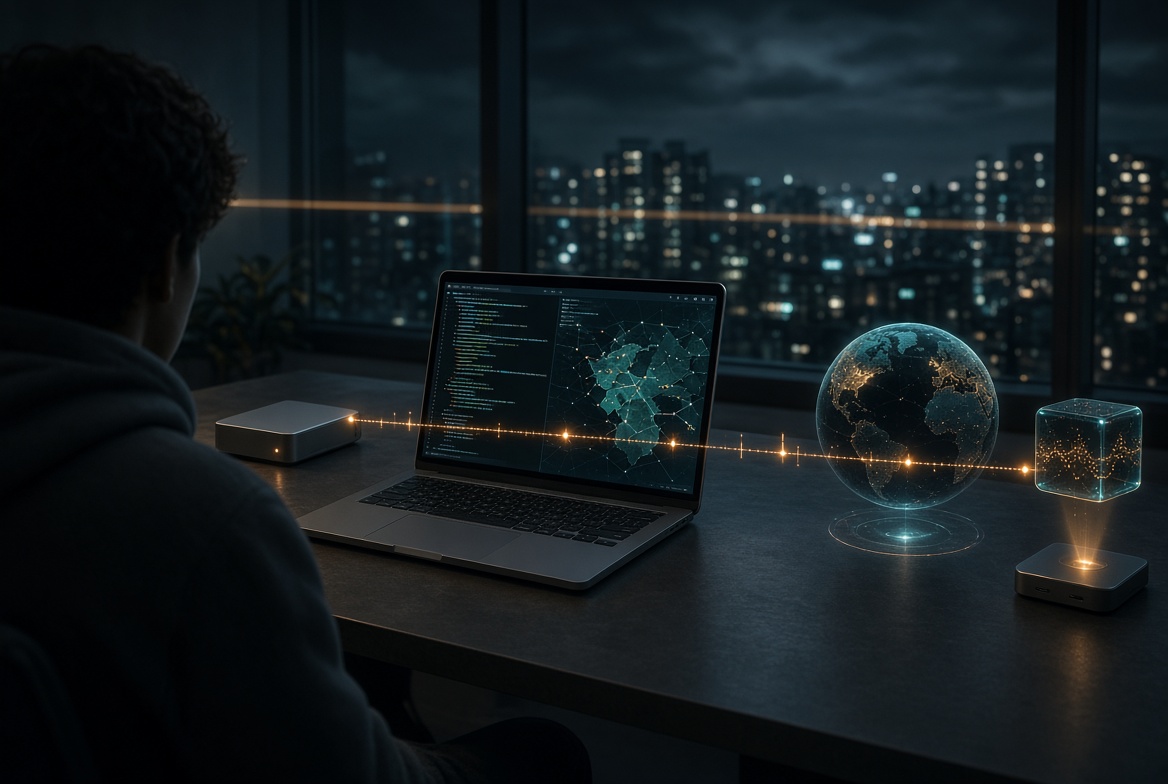
The nearby future is not four products. It is one day.
Morning on Omarchy. Super + Return is the terminal. Super + Shift + Return is the browser. No dock. You plug in the drive. Knowledge Graph wakes up. You ask what you recorded last Tuesday and a voice note and three photographs slide into view. You leave the medical folder closed. The model cannot see a file that is not on the mounted volume.
Afternoon you publish. A pin goes on the globe. A paragraph goes on the site. A cube face — just the vocal — goes public with the performer named first. The rest of the cube stays yours. Evening, the same URL opens in Safari on a headset. The window is gone. The apps are still the apps.
| Layer | What lives there | Who can take it |
|---|---|---|
| Omarchy | The desk. Keys. Agents you chose. | You, by not launching them. |
| Air-gap drive | Photos, voice, money, medical. | Nobody, once the cable is out. |
| Knowledge Graph | The private conversation with those files. | The model on the machine. |
| Where is Paul? | The life you chose to show. | You. It is a file on your domain. |
| Musical Cubes | Stems you play, publish, or keep. | The royalty chain you wrote. |
| Portfolio | The argument. The field notes. | You. It is a static site. |
The nearby future
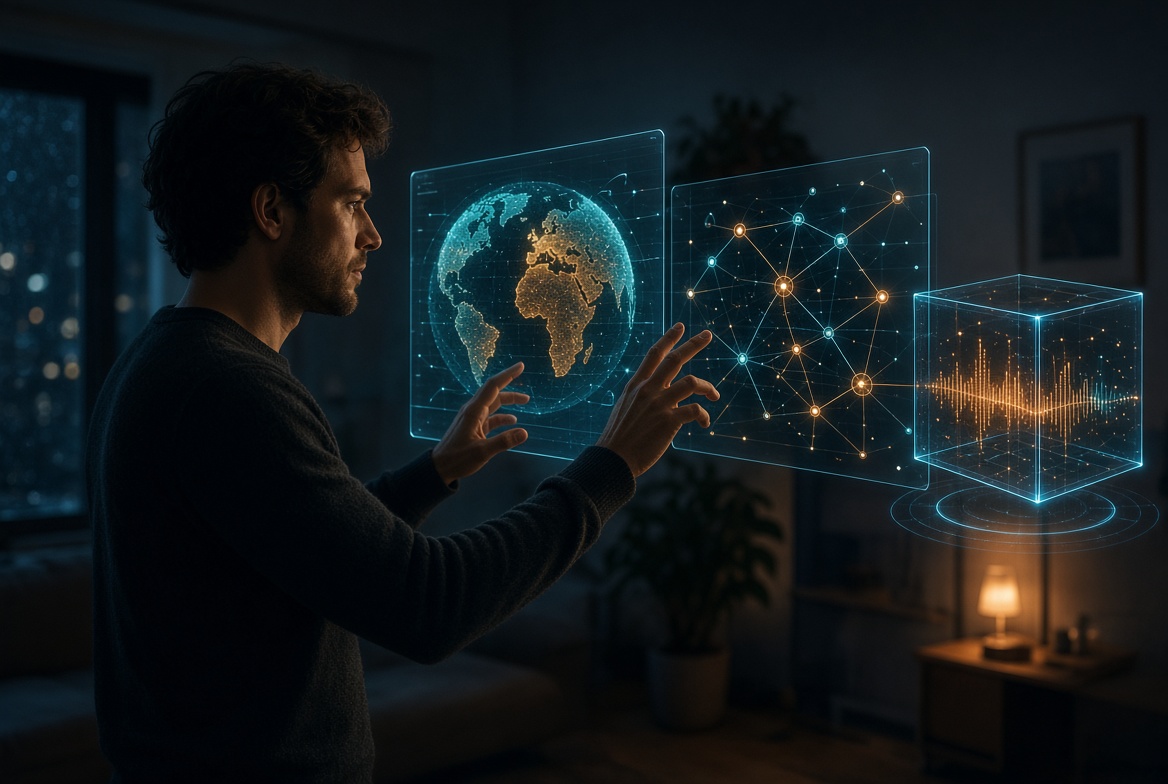
The same URL already opens on a phone, a desk, and Safari on Vision Pro. The next surface is space itself — a hologram of the UI you already have. The stack does not change. The window disappears.
That is not a product launch. It is a sequence you can start this weekend: burn the Omarchy ISO, plug in a drive, open the globe, turn a cube. The private conversations stay on the drive. The public apps stay websites you publish yourself. Everything in the lab is a repo you can fork.
Watch the stack
Latest in Sci-Fi Apps
The public lead is Where is Paul? — globe, filters, comics, characters, all live on one URL you can clone. Musical Cubes and Neuro Graph are sister spatial web apps. Knowledge Graph stays off the homepage on purpose. This page is the map of how those apps sit on an owned OS.