Sci-Fi Labs · Flagship
Where is Paul?
Family asked where I was. I built them a globe they can spin.
The texts kept coming. Sofia. Bangkok. A layover that turned into a month. By the time they named the city, I had already left it. A pin in a group chat is stale before you send it.
Instagram could not help them. A highlight reel is not an answer. Google already knew the coordinates, if Timeline was on, but a surveillance file is not something you send your mother. I wanted a place she could open and actually see me.
So I built a globe. A reimagining of personal history as a living, spatial record of a life deliberately lived — a luminous Earth where cities, crossings, and hard-won stays rise as glowing markers, and time itself becomes navigable.
Moments appear as blog posts, swipeable cards, videos, and comic-book sequences drawn from real photographs and lived scenes, some carrying QR codes that open onto the actual places they depict. The people who shaped the journey are present too, each with a short video in which they speak for themselves. A blog, a gallery, comics, video — merged into one map of the travels. Not five apps. One place.
It is a deliberate trail of adventure, curiosity, and human connection — proof that a full, challenging, far-reaching life is possible, and that the map, the stories, the places, and the voices still remain. Not a regular website. A spatial exploration of a lifetime. On a phone, on a desk, and, if you put a headset on, in the room with you.
This is the flagship of Sci-Fi Labs — the proof for spatial web apps, the same sentence as the rest of the site. Sci-Fi is the feel. Spatial is the interface. Web is how you open it. Same URL on a phone, a desk, and Safari on Vision Pro. The live map is the demo. Your copy is a clone.
https://paulvisciano.com/apps/where-is-paul/
What you are looking at
Spin it and look for the dark tiles. Those are not the famous cities. Those are the years I actually lived somewhere. The bright ones are crossings — a night, a weekend, a spark on the way through.
I was born in Varna in 1988, on the Black Sea. I remember the water more than the streets. When I was six we moved inland to Sofia, and the capital became the whole world. I started at 119th school, then Doris Tenedi German High. After class we played soccer on concrete until the lights came on. I still have the scars on my knees. By thirteen, downtown was ours.
At sixteen I got on a plane for an exchange year in Osseo, Wisconsin. A foster family, a small American high school, a winter I had no language for. Chicago caught me after that and held on for a decade. Gordon Tech. College. Volleyball courts, which is how I found my people. I spent fifteen years building software for other companies, and somewhere in there I became a dual citizen — Bulgarian and American, always a little of both.
The pin that keeps coming back in Florida is not a beach habit. My mother lives in Clearwater. That is where Christmas happens. That is where I land when a year gets too long. My brother David is on this map too. We shared Varna, then Sofia, then Chicago, and then our lives went in different directions without coming apart.
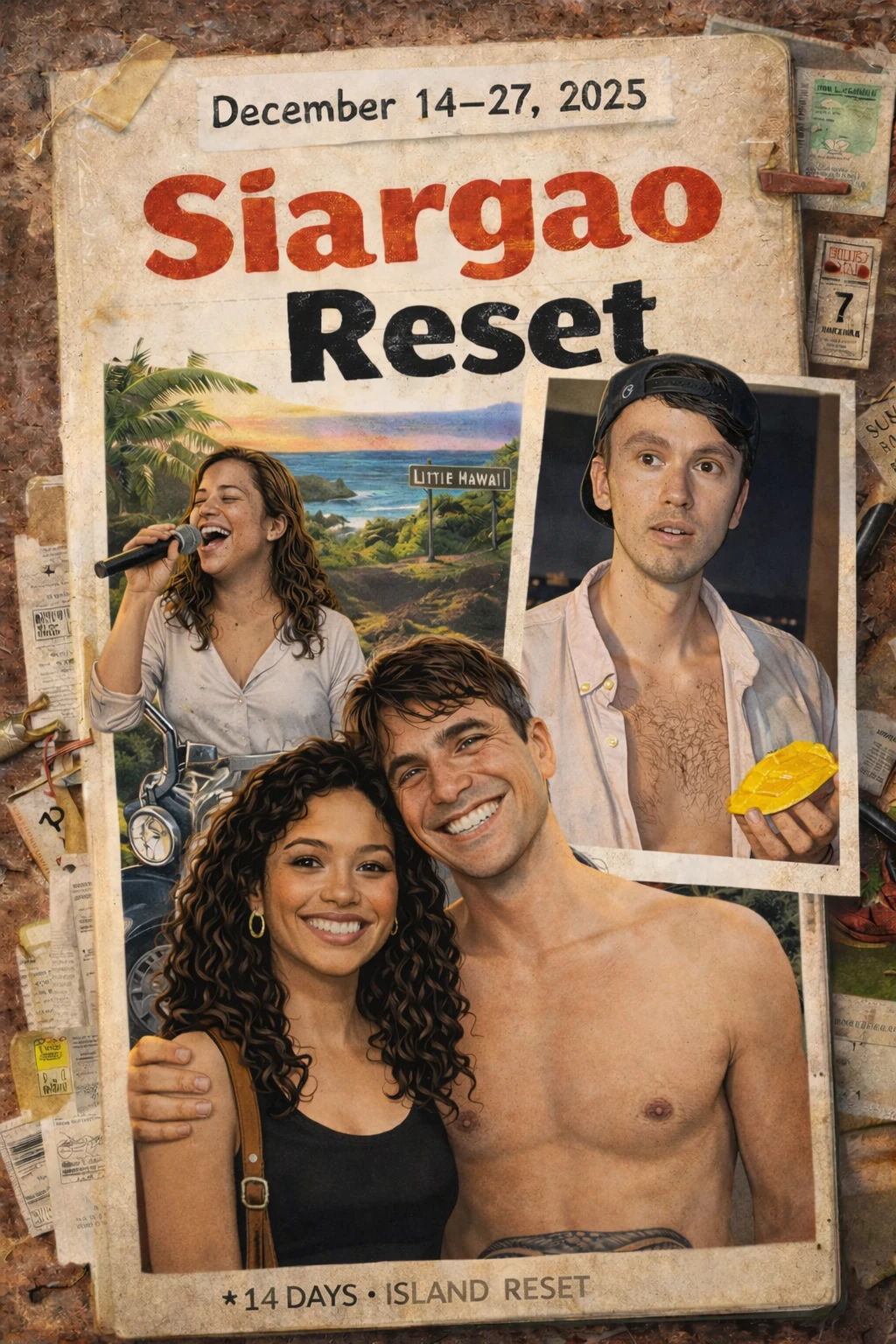
The years that look like travel started while I still had a job. Medellín in 2022, for months. Then St. Petersburg, Florida, for most of a year. Beirut, Athens, Barcelona. Home to Sofia and Varna as a guest in the cities that made me. Honolulu. Bangkok. Bali. Siargao. Friends from the courts kept appearing in new countries, which is how I knew I had not left my life. I had only stretched it.
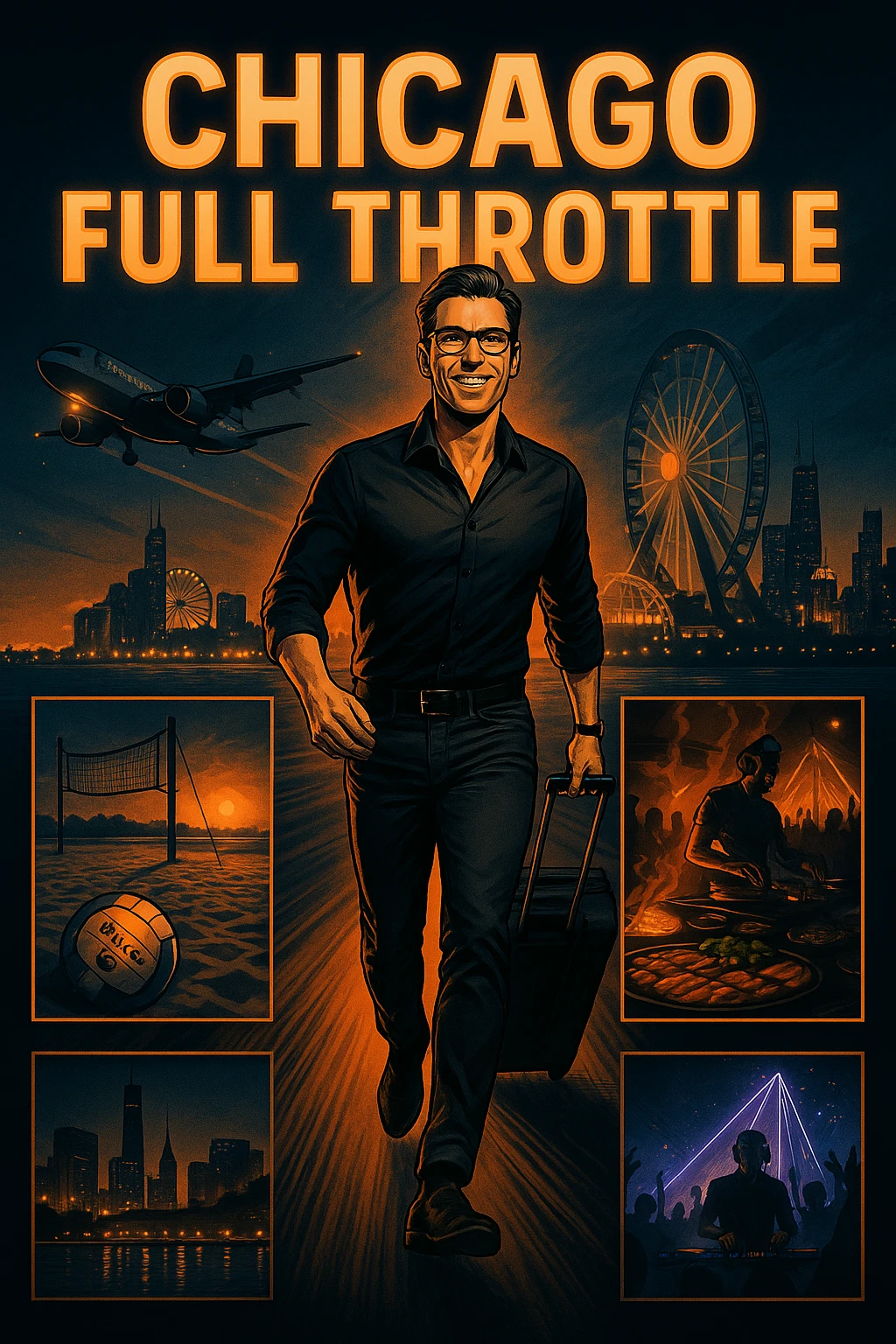
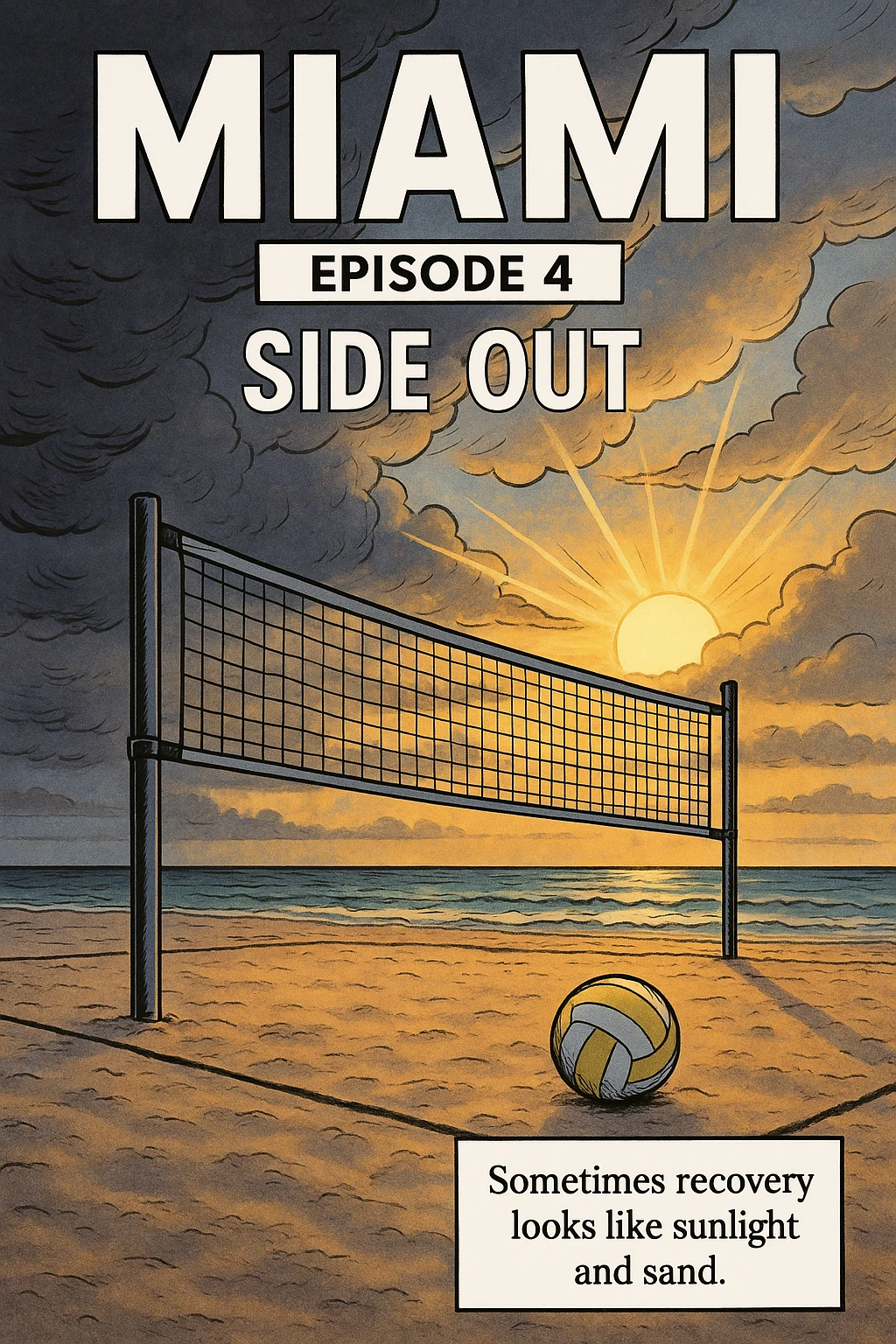
In October 2025 I flew to Chicago for a wedding and sat with my dad for the first time in sixteen years. That day is a comic now: Full Throttle. A few months later I was in Bangkok when I left the job — Day One on the globe. Family can open it now and see where I am — and where I have been — without guessing from a text.
How to read the globe
Open it. Drag the world with one finger. You are not scrolling a list of trips. You are standing over those years.
The color of a place is how long I stayed. Each tile on the Earth is somewhere I slept. Orange or dark, that is the nights — not how much I posted, not how famous the city is, not how tall the tile looks. Height on this map is a lie. Color is the nights.
The scale runs the opposite way most maps train you to read. A layover is bright orange, almost a flare. A couple of weeks cools toward rust. A month sits there, darker. A year, or a childhood, goes nearly brown. Hover or tap and the number of days is written on the tile. You do not have to guess.
So Sofia is dark because I grew up there. Chicago is dark because that decade held. Clearwater keeps returning because home is a person, and the nights add up. A one-night city is a spark you can miss if you only look for glow. Look for the dark. That is where I stayed.
If you write about travel, you already know this. The postcard and the rent are different stories. The globe only tells the second one.
The timeline is the same life, laid flat. Cards on top. Years under them. Eras as a strip you can jump. Scrub 1994 and you are in Sofia. Scrub 2004 and you are in Wisconsin. Scrub 2022 and the job is still on and Medellín is already happening. The orange pip is where you are in the story.
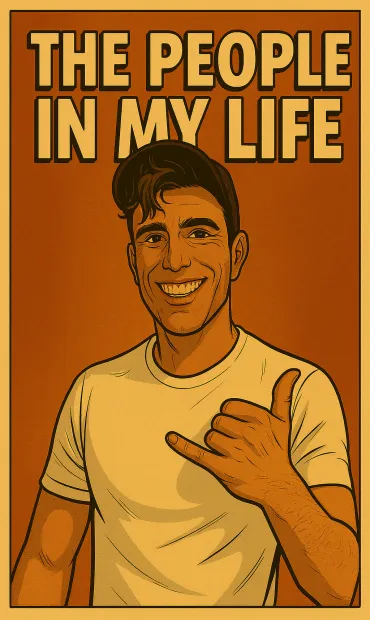
Pins mix media. A photo. A post. A short video. A comic drawn from the photographs of that day. People in their own voices — my mother, the St. Pete crew, the ones who keep appearing when the pin changes. Tap one and a story opens. Mixed on purpose. A life is not one format.
If you only remember one thing: longer stay, darker tile. Then drag the years. Start with the globe.
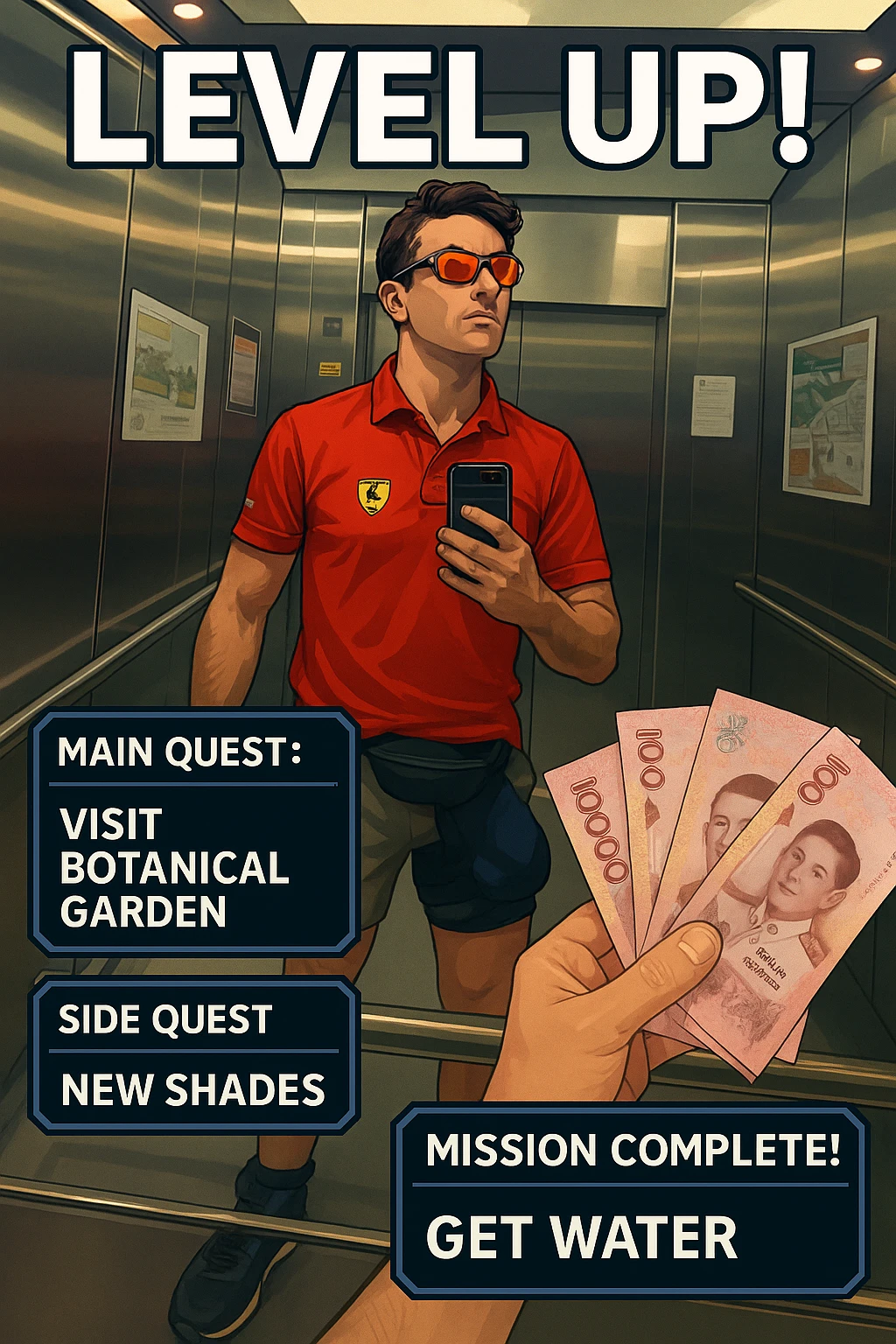
The comics are the days
The books on the globe are not made-up stories with my face pasted on. They are days I lived, drawn from real photographs. A comic is how the day survives without becoming a caption you never read again.
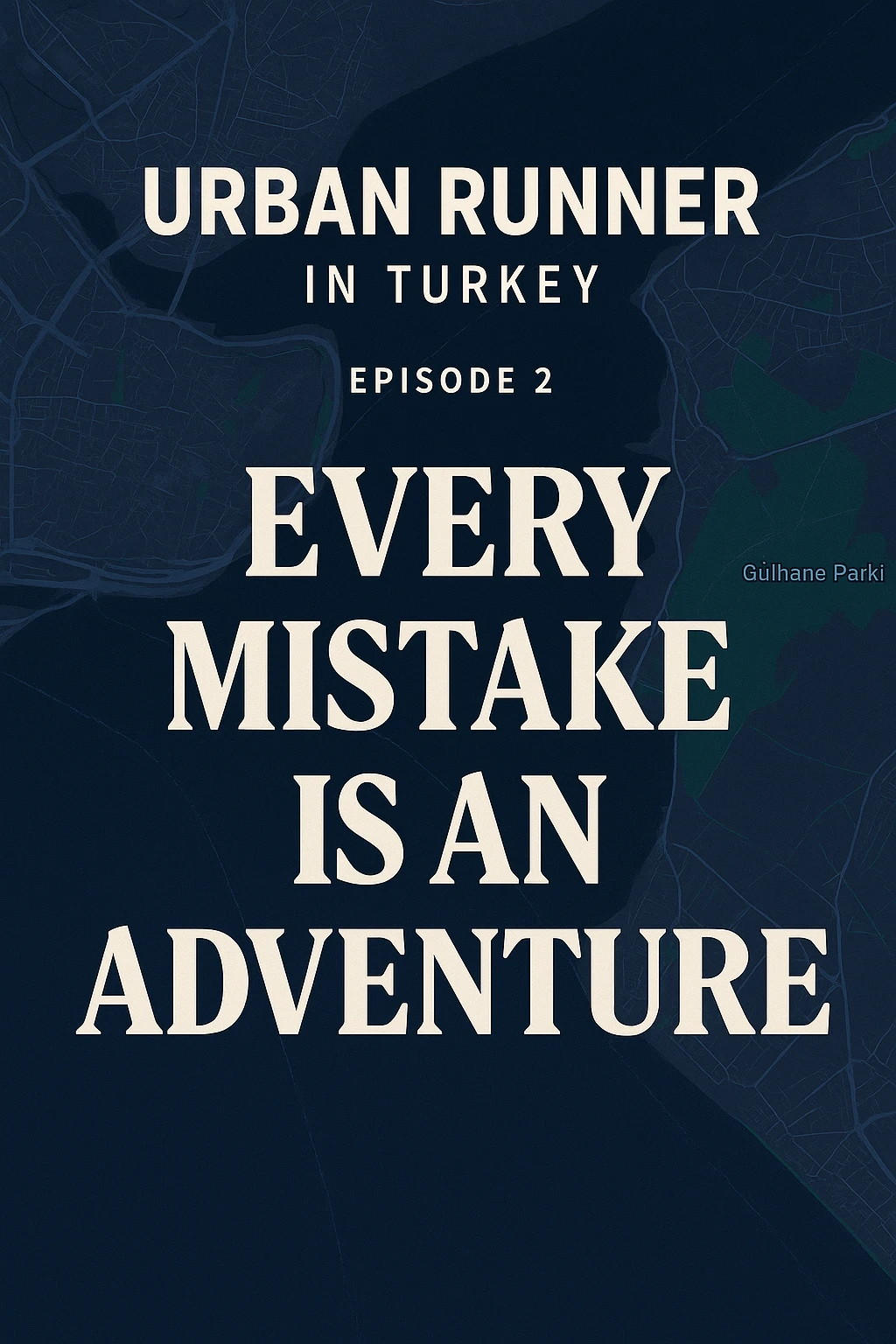
They hide what actually happened in the panels. Bangkok Hustle I looks like a long night in the city until you notice the scam. Someone tried to take me. It is in the book. The next episode is the morning after. If you only spin the globe you will miss it. Open the cover.
There are easter eggs too. Some pages have a QR code drawn into the scene. Point your phone at it and it opens the real place — the cafe, the street, the room as it sits on Earth. The comic is the day. The code is the door. I tested the first one in Bangkok, in Hustle II. It opened Maps. It worked. Digital and physical fold into each other. You can read the life from a couch, or you can go stand where it happened.
Tap a cover. You land in the live reader — same app, that day, pages you can flip. Watch for the codes.
Step into the years
On a phone you can spin it. On a desk you can scrub the years. Put on Apple Vision Pro, open the same URL in Safari, and you are inside it.
The globe hangs in front of you. Pinch and Sofia comes closer — not a caption, a city you can lean toward. Look around and Chicago is a decade standing in space. The comics, the photos, the voices sit with the Earth. You are not scrolling my life. You are moving through it.
That is the differentiator. A travel site is a page. This is a spatial exploration of a lifetime. Mine, if you open my globe. Yours, if you clone it, put your nights in the file, and hand someone a headset. There is no separate build. No extra session. The headset does not get a special app. It gets the life, in 3D, at the scale of a room.
Make your own
Every social site already decided how your life is allowed to look. A square. A reel. A caption under someone else's chrome. The interface is for billions of people, and to sell you something. It is not for how you actually want the story told.
Clone this and you are not posting into that box. You are making the box. Comics if you think in pages. A globe if you think in places. Voices, photographs, a QR code that opens the real street. The form can be yours. That is the point of making your own — not a theme on top of Instagram. Original because nothing is ranking it, cropping it, or asking you to fit a template built for ads.
No app store. No company in the middle. You build it for yourself, then you share it. That is the Sci-Fi Labs vision, the same one as the homepage: spatial web apps as environments you move through, made by individuals, opened with a URL. Anyone can make one. Anyone can send the link.
Google already has a version of your life if Timeline was on. Instagram has the version that performed. Neither one is yours in a way you can hand to your family, fork, or keep when the company changes the product. Underneath the globe is the same bet as the rest of the lab. Your life is your data. Public when you choose.
This is a static site. No database. No backend. No account. No algorithm ranking who sees what. You decide what exists by what you put in the files. Not a promise from a platform. A folder you hold.
From a life to a globe
Clone github.com/paulvisciano/where-is-paul. Edit moments/moments.js. Date, place, stay, media. Rename it Where is [You]?. Send the URL to whoever still asks where you are. If they put a headset on, they are not reading your year. They are standing in it.
If you are sitting on a Google Timeline export and you want the long way, the walkthrough is here: One prompt. Your own life map. Clone first. Prompt second. Takeout can fill the nights. You still choose what goes public.